

The evolution of gambling From ancient rituals to modern casinos
The Origins of Gambling
The practice of gambling dates back to ancient civilizations, where it often intertwined with rituals and cultural traditions. Archaeological evidence suggests that games of chance were played in societies such as the Chinese, Greeks, and Romans. Ancient artifacts, such as dice and betting tokens, have been uncovered, revealing that the concept of wagering on outcomes is as old as humanity itself. Interestingly, the allure of gaming now extends to online casinos usa, bringing this age-old practice to modern platforms.
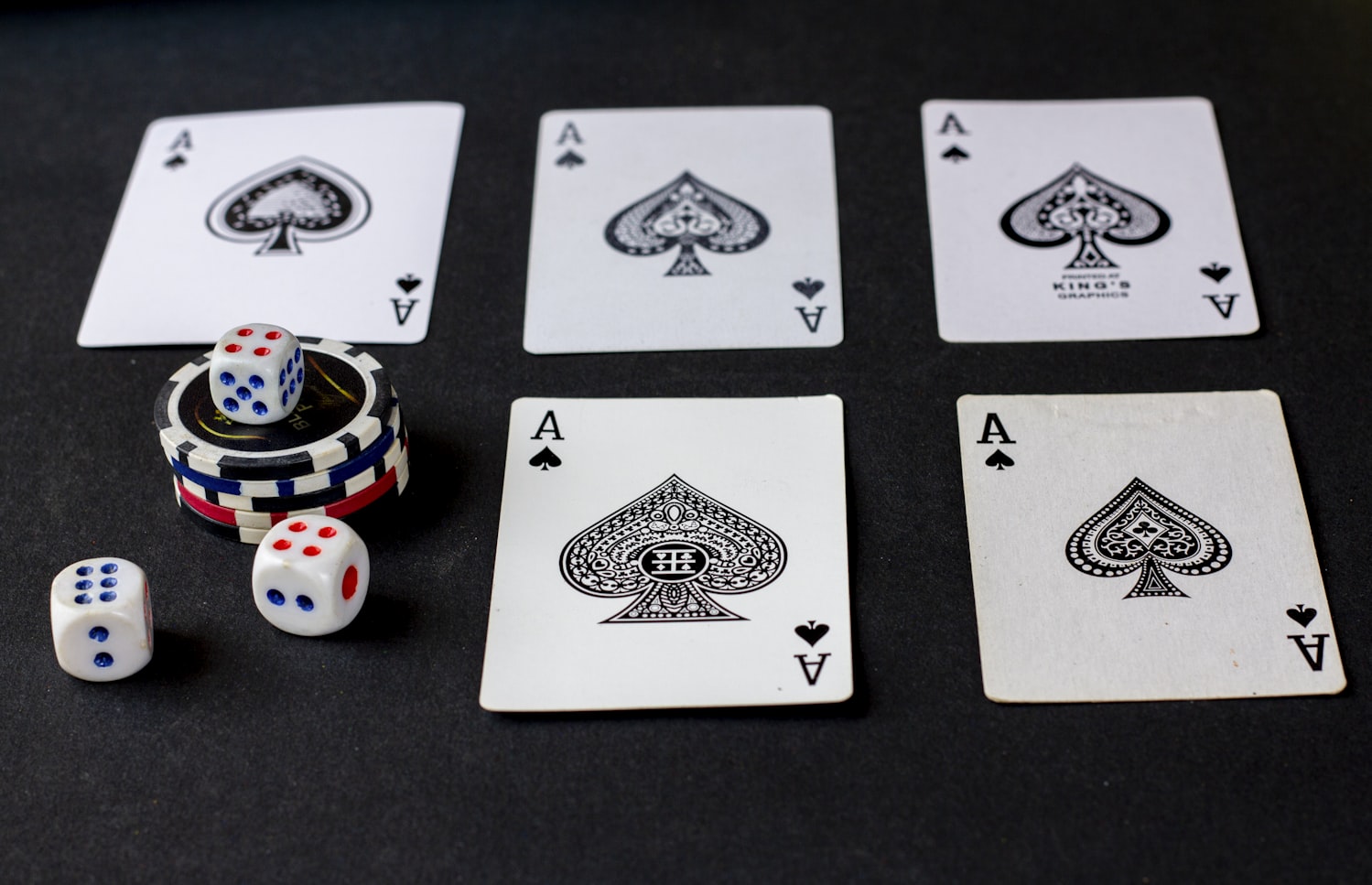
In these early societies, gambling often held a spiritual significance. For example, the casting of lots was frequently used in divination practices, believed to reveal the will of the gods. This connection between chance and fate laid the groundwork for gambling as an integral part of societal rituals and communal gatherings, reflecting the human desire for risk and reward.
The Growth of Gambling in the Middle Ages
The Middle Ages saw a transformation in gambling, with the emergence of various games and betting systems across Europe. As societies progressed, so too did the complexity of games, leading to the development of early forms of cards and other gambling devices. Gambling became popular in taverns, where people gathered to socialize and bet on everything from dice games to card matches.
During this time, gambling laws began to emerge. Authorities grappled with regulating the practice, as it often resulted in disputes and social issues. The Church also took a strong stance against gambling, viewing it as morally questionable. Nevertheless, the allure of gambling persisted, leading to the establishment of the first official gambling houses in the late Middle Ages.
The Birth of Modern Casinos
The late 17th and early 18th centuries marked a significant turning point with the creation of the modern casino. The Casino di Venezia in Italy, established in 1638, is often cited as the world’s first official casino. This period also saw the rise of lavish gaming halls that attracted the elite, blending luxury with the thrill of chance.
As gambling spread across Europe, it began to evolve into a social activity accessible to a broader audience. Casinos became synonymous with entertainment, offering not just gaming but dining and live performances. This transformation laid the foundation for the modern gambling experience, where the ambiance and design of casinos play a crucial role in attracting players.
The Digital Revolution and Online Gambling
The late 20th century ushered in the digital age, revolutionizing the gambling landscape. The introduction of the internet made gambling more accessible than ever, allowing individuals to place bets from the comfort of their homes. Online casinos emerged, offering a vast array of games and attracting a global audience.
With advancements in technology, online gambling has continued to evolve. The introduction of mobile gaming has further transformed how people engage with gambling, enabling players to access their favorite games anytime, anywhere. This shift has necessitated new regulations and security measures to ensure a safe gambling environment for users.

Conclusion and the Future of Gambling
The evolution of gambling from ancient rituals to modern casinos illustrates humanity’s enduring fascination with chance and risk. As society continues to change, so too will the methods and venues for gambling. The future may hold further innovations, blending traditional gaming with cutting-edge technology to create immersive experiences.
As we reflect on this journey, it is clear that the essence of gambling remains the same: the thrill of uncertainty and the potential for reward. Understanding this evolution allows us to appreciate the rich history and anticipate the future of gambling in our increasingly digital world.